
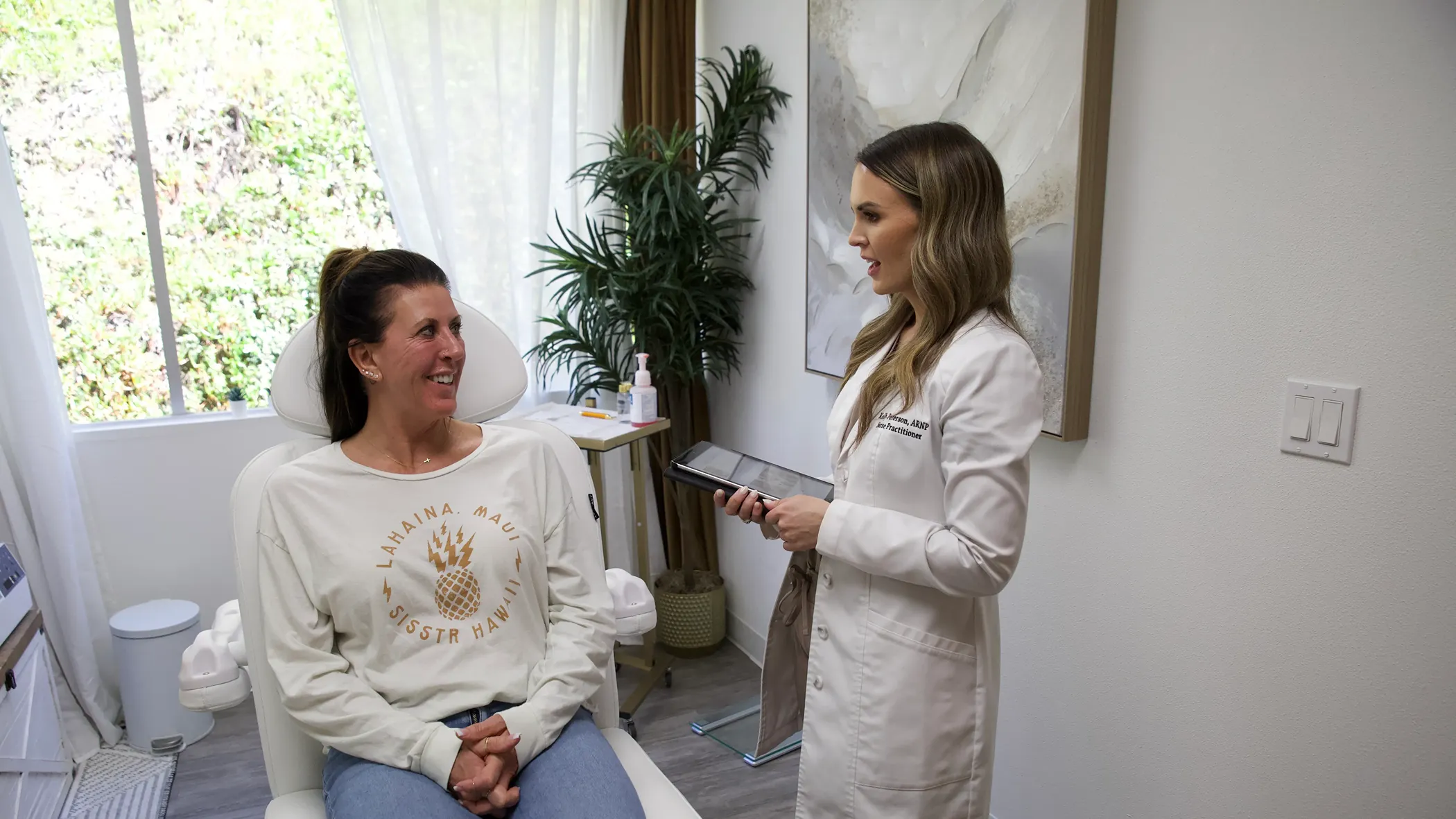
When comparing microneedling vs microdermabrasion, many people want to understand how these treatments differ and which option may best support their skincare goals. Both are widely used skin resurfacing treatments designed to improve texture, tone, and overall skin appearance. However, they work in different ways and are often recommended for different types of skin concerns.
At House of Aesthetix in San Diego, CA, patients often explore both options as part of a personalized skin rejuvenation plan. While microdermabrasion focuses on exfoliating the outer layer of the skin, microneedling works beneath the surface to stimulate collagen production. Understanding how each treatment affects the skin can help patients choose the approach that aligns best with their concerns and desired results.
What Is Microneedling?
Microneedling is a minimally invasive skin rejuvenation treatment designed to stimulate the body’s natural collagen production. The procedure uses a specialized device with fine needles to create controlled microchannels in the skin, which activate the skin’s natural healing response. At House of Aesthetix, microneedling is often recommended for patients looking to improve skin texture, address acne scars, and support long-term skin rejuvenation through collagen stimulation.
Because microneedling works beneath the skin’s surface, it encourages the skin to rebuild and strengthen its underlying structure over time. This process helps improve overall skin quality while maintaining natural-looking results that gradually develop as collagen production increases.
Understanding Collagen Induction Therapy
Microneedling is commonly referred to as collagen induction therapy because it triggers the body to produce new collagen and elastin during the healing process. When the skin experiences controlled micro-injuries, it responds by increasing circulation and activating fibroblast cells responsible for producing these essential structural proteins.
As collagen levels rebuild, the skin becomes stronger and more resilient. This regenerative response can help improve concerns such as uneven texture, enlarged pores, and mild scarring while supporting smoother, healthier-looking skin.
Microneedling Benefits for Skin Rejuvenation
One of the primary benefits of microneedling is its ability to support deeper skin rejuvenation rather than simply improving surface appearance. As collagen production increases, patients may notice gradual improvements in skin firmness, tone, and overall texture.
Because the treatment stimulates the skin’s natural renewal process, results tend to appear progressively over time. Many patients choose microneedling as part of a long-term skincare strategy to help maintain smoother, more refreshed skin while addressing concerns such as fine lines and acne scars.
What Is Microdermabrasion?
Microdermabrasion is a non-invasive skin resurfacing treatment that focuses on exfoliating the outermost layer of the skin to improve overall texture and clarity. The treatment uses a specialized device that gently removes dead skin cells while stimulating mild circulation in the treated area. This process helps reveal fresher skin beneath the surface and can contribute to a brighter, more refreshed appearance.
While microdermabrasion is often used for general skin maintenance, it works primarily at the surface level of the skin. Patients sometimes explore microdermabrasion as an option for mild skin concerns, though deeper rejuvenation treatments such as microneedling may be recommended for more noticeable structural improvements.
How Microdermabrasion Works as a Skin Resurfacing Treatment
Microdermabrasion functions as a physical exfoliation technique that removes dead skin cells from the outer layer of the skin. During the treatment, a handheld device uses either fine crystals or a diamond-tipped applicator to gently buff the skin’s surface while simultaneously vacuuming away the exfoliated particles.
This controlled exfoliation helps stimulate cell turnover and allows skincare products to absorb more effectively after treatment. Because the procedure works on the epidermis, it is generally considered a superficial resurfacing treatment rather than one that stimulates deeper collagen remodeling.
Benefits of Microdermabrasion for Different Skin Types
Microdermabrasion may provide benefits for individuals looking to refresh the appearance of dull or uneven skin. The treatment is commonly used to improve mild texture irregularities, enhance brightness, and support smoother skin by removing accumulated dead skin cells.
Many people choose microdermabrasion as part of a routine skincare regimen because it requires little downtime and can be performed relatively quickly. However, because the treatment focuses on surface exfoliation, results are typically more subtle and temporary compared to treatments that stimulate deeper collagen production.
Key Differences Between Microneedling and Microdermabrasion
While both treatments are designed to improve skin texture and overall appearance, the main difference between microneedling and microdermabrasion lies in how deeply they affect the skin and what types of concerns they address. Microneedling works beneath the surface to stimulate collagen production, while microdermabrasion focuses primarily on exfoliating the outermost layer of the skin.
At House of Aesthetix, providers evaluate factors such as skin condition, treatment goals, and the level of correction desired when recommending either option. Understanding how each procedure works can help patients determine which treatment may be more effective for their specific skin concerns.
Treatment Depth and Skin Concerns Addressed
One of the most important distinctions between these treatments is the depth at which they work. Microneedling reaches deeper layers of the skin, triggering collagen production and encouraging structural skin renewal. Because of this, it is commonly used to address concerns such as acne scars, fine lines, enlarged pores, and uneven texture.
Microdermabrasion, on the other hand, targets the surface layer of the skin. It is often recommended for mild concerns such as dullness, minor texture irregularities, or uneven skin tone. While it can help refresh the skin’s appearance, it does not stimulate collagen production in the same way microneedling does, which means its results tend to be more superficial.
How Each Procedure Improves Skin Texture
Both treatments can improve skin texture, but they achieve this goal through different mechanisms. Microneedling improves texture by stimulating collagen and elastin production beneath the skin’s surface. As new collagen forms, the skin gradually becomes smoother, firmer, and more resilient.
Microdermabrasion improves texture primarily by removing the buildup of dead skin cells that can make the skin appear rough or dull. This exfoliation can temporarily smooth the skin and create a brighter appearance. However, because the treatment works only at the surface level, its results are typically shorter-term compared to collagen-stimulating procedures like microneedling.
Downtime and Recovery
Downtime and recovery are important factors to consider when choosing between microneedling and microdermabrasion. While both treatments are considered minimally invasive, they affect the skin differently and therefore involve different healing timelines. Understanding what to expect after each procedure can help patients plan their treatment and recovery accordingly.
Because microneedling stimulates deeper skin renewal, it typically involves a short healing period as the skin begins producing new collagen. Microdermabrasion, by comparison, focuses on surface exfoliation and generally requires little to no recovery time.
Microneedling Downtime and Healing Process
After a microneedling treatment, it is common for the skin to appear slightly red or feel warm, similar to a mild sunburn. This reaction is part of the skin’s natural healing response and usually begins to improve within 24 to 48 hours. During this time, the skin may feel tight, slightly sensitive, or mildly dry as collagen production and cellular renewal begin beneath the surface.
In the days following treatment, patients often notice gradual improvements in skin texture and tone as the skin continues to repair itself. Because microneedling activates collagen production, the healing process is an important part of achieving long-term rejuvenation results.
Microdermabrasion Downtime and Aftercare
Microdermabrasion generally involves minimal downtime because the treatment only exfoliates the outermost layer of the skin. After a session, the skin may appear slightly pink or feel mildly sensitive, but these effects typically resolve quickly.
Post-treatment care usually focuses on keeping the skin hydrated and protected from sun exposure. Because microdermabrasion removes surface dead skin cells, applying gentle skincare products and sunscreen can help maintain the refreshed appearance achieved during treatment.
Which Treatment Is Best for Your Skin Goals?
Choosing between microneedling and microdermabrasion often depends on the type of skin concerns you want to address and the level of improvement you hope to achieve. While both treatments can support healthier-looking skin, microneedling is typically recommended for individuals seeking more noticeable and longer-lasting skin rejuvenation. Because it stimulates collagen production beneath the surface, microneedling helps improve the skin’s underlying structure rather than simply refreshing the outer layer.
At House of Aesthetix, providers often recommend microneedling for patients who want to address deeper skin concerns and support long-term collagen renewal. By working below the skin’s surface, microneedling can deliver more comprehensive improvements in texture, tone, and overall skin resilience.
When Microneedling May Be Recommended
Microneedling is often recommended for individuals looking to improve concerns that originate deeper within the skin. Because the treatment stimulates collagen production and encourages cellular renewal, it can help address issues such as acne scars, fine lines, enlarged pores, and uneven skin texture.
Patients who want gradual, long-term skin rejuvenation often benefit most from microneedling. As collagen production increases over time, the skin becomes firmer, smoother, and more resilient. This regenerative approach makes microneedling a strong option for those seeking more significant improvements than surface-level treatments can provide.
When Microdermabrasion May Be the Better Choice
Microdermabrasion may be suitable for individuals looking for a quick skin refresh or mild exfoliation. Because the treatment focuses on removing dead skin cells from the outer layer of the skin, it can help brighten the complexion and temporarily smooth minor texture irregularities.
However, microdermabrasion is generally best suited for mild concerns and routine skin maintenance rather than deeper rejuvenation. Patients who are primarily looking to improve underlying skin quality or stimulate collagen production may find that microneedling offers more comprehensive and longer-lasting benefits.
Choosing the Right Skin Treatment for Your Goals
Selecting the right skin treatment depends on your individual concerns, long-term skincare goals, and how deeply you want the treatment to work within the skin. While surface-level treatments can help refresh the complexion, many patients today are looking for solutions that support deeper skin renewal and long-term improvement. For this reason, microneedling is often recommended for individuals seeking meaningful changes in skin texture, tone, and overall skin health.
Because microneedling stimulates collagen production beneath the surface, it supports structural skin improvement rather than simply exfoliating the outer layer. This collagen-focused approach allows the skin to gradually rebuild itself over time, leading to smoother, firmer, and more resilient skin. Patients interested in long-term skin rejuvenation frequently find that microneedling offers more noticeable and lasting benefits compared to treatments that focus solely on surface exfoliation.
Why Choose House of Aesthetix in San Diego, CA for Microneedling and Skin Resurfacing Treatments
At House of Aesthetix in San Diego, CA, microneedling treatments are performed with a focus on personalized care and safe, effective skin rejuvenation. The team carefully evaluates each patient’s skin concerns, treatment goals, and medical history before recommending a customized plan. This thoughtful approach helps ensure that microneedling treatments are tailored to support natural collagen production while maintaining the health and integrity of the skin.
Patients can also learn more about the professionals guiding their care by visiting the Meet the Team page. Understanding the experience and expertise of your provider helps ensure that your treatment plan is built on both clinical knowledge and a patient-focused approach to aesthetic care.
Schedule Your Skin Rejuvenation Consultation Today
If you’re exploring treatments to improve skin texture, tone, and overall skin health, scheduling a consultation is the best place to start. A personalized appointment allows you to discuss your skincare goals, evaluate your skin condition, and determine whether microneedling or another skin resurfacing treatment is the right fit for your needs.
To learn more or schedule your consultation, contact House of Aesthetix in San Diego, CA at 858-263-6002, visit 409 Camino Del Rio S. #102, San Diego, CA 92108, or reach out through the practice’s website. A consultation is the first step toward developing a treatment plan designed to support smoother, healthier-looking skin.